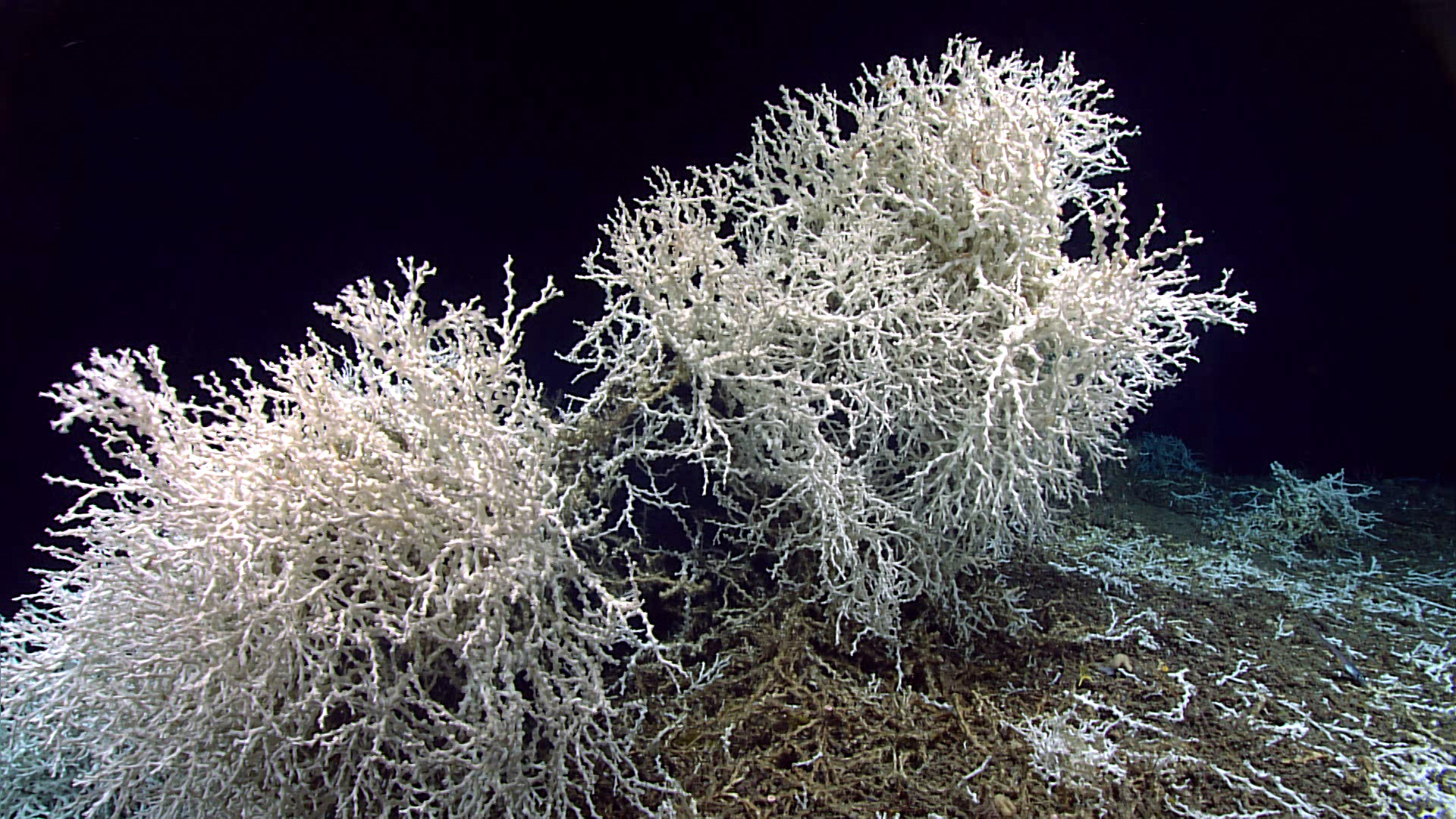
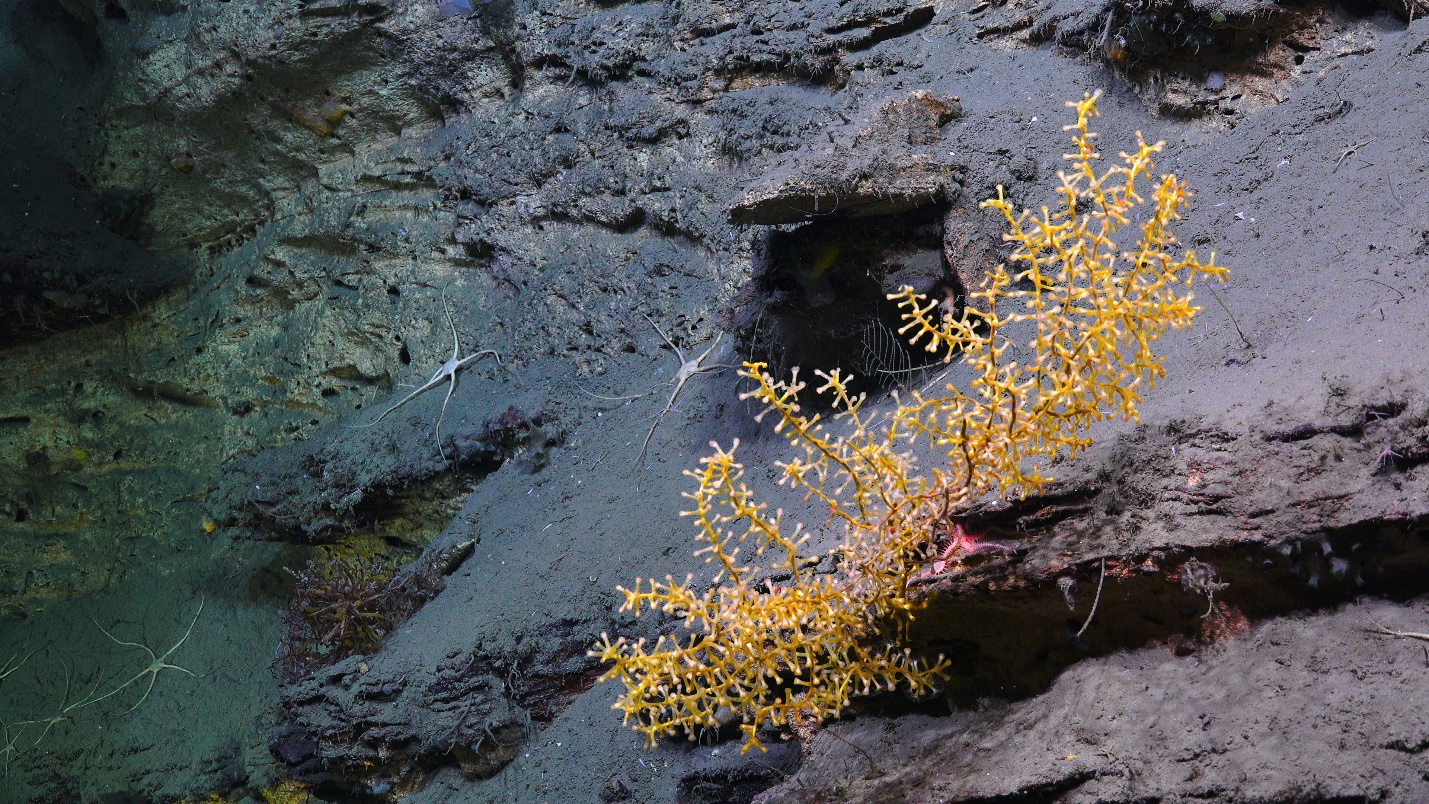
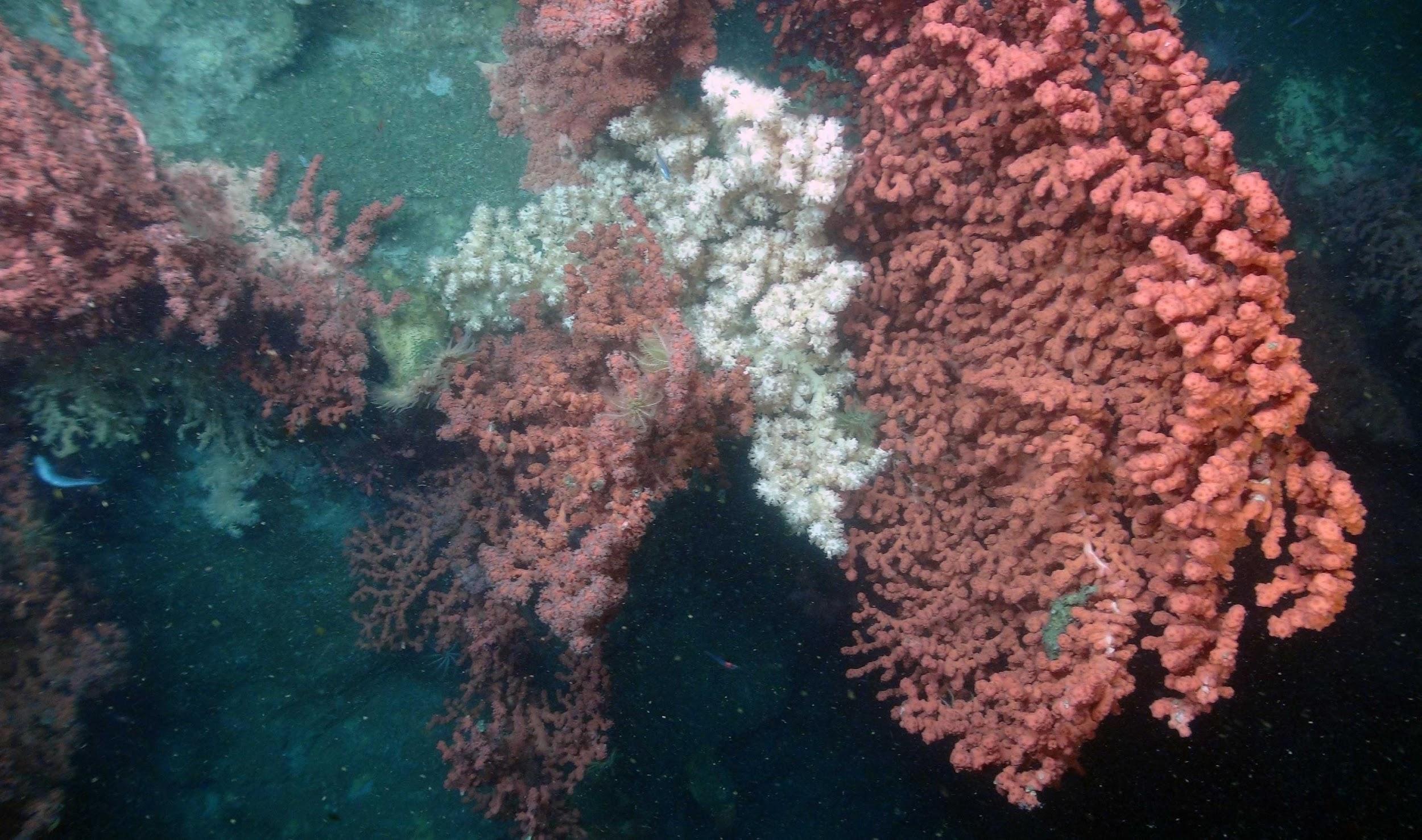
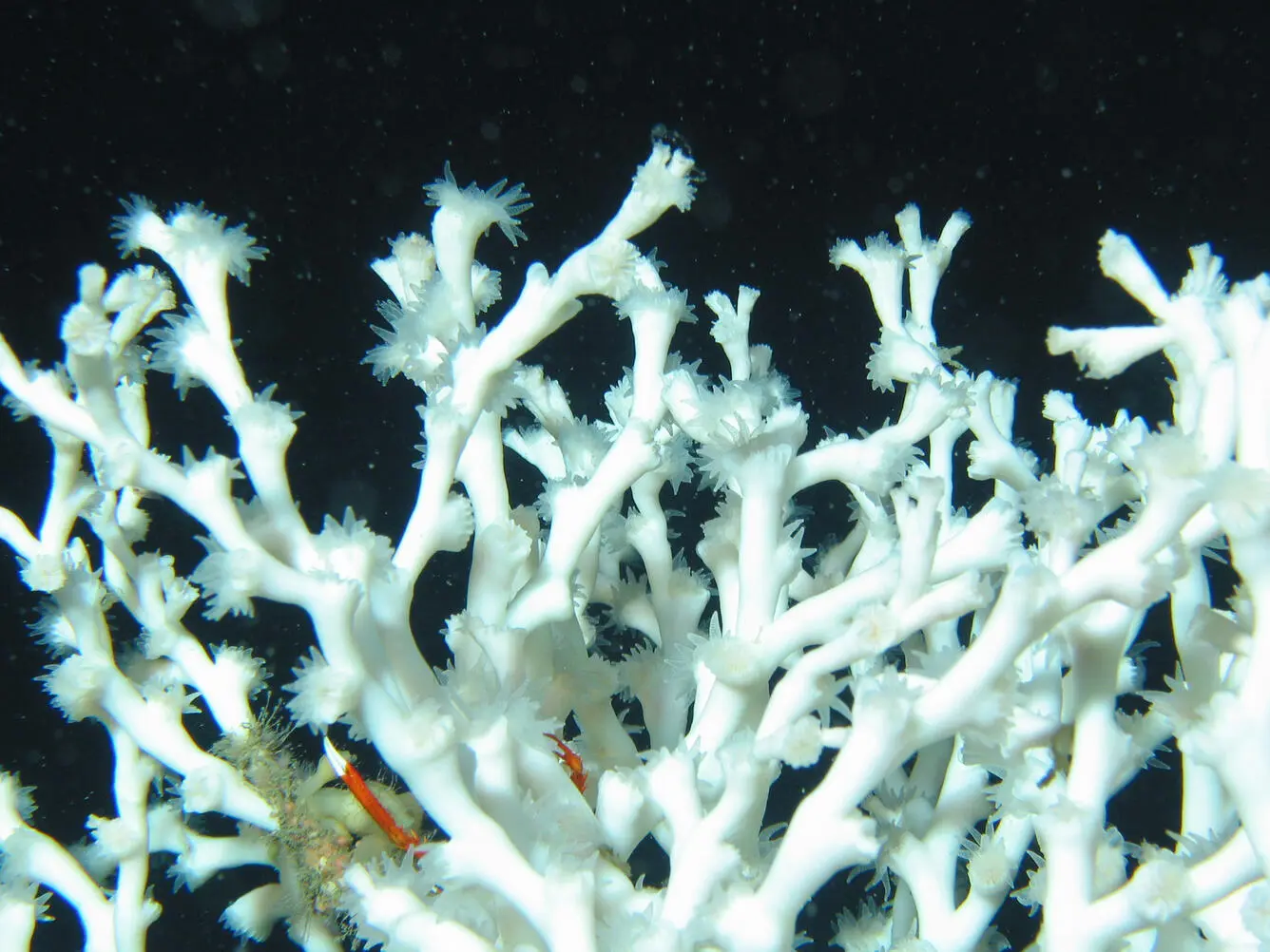
There have been few conclusive studies on the effects of acidification on deep-sea corals and effects often vary by species. While some research indicates that acidification may negatively impact cold-water stony corals, deep-sea explorations have observed resilience of scleractinian corals exposed to acidic conditions (aragonite saturation Ω < 1) (Thresher et al., 2011). The mechanisms enabling them to thrive despite unfavorable calcification conditions remain mysterious. However, the capacity of deep-sea corals to alter their internal carbonate chemistry in favor of calcification has been proposed as a plausible explanation.
While there is contradictory evidence regarding the potential consequences of future ocean acidification levels on deep-sea corals, there is widespread agreement concerning its probable adverse effects. Acidification is expected to reduce the concentration of dissolved minerals needed for corals to make their skeletons, making it harder for corals to grow and repair themselves. Moreover, their slow growth and limited ability to recover make them particularly vulnerable to human activities such as bottom trawling, seabed mining, cable and pipe laying, and mineral, oil, and gas exploration.