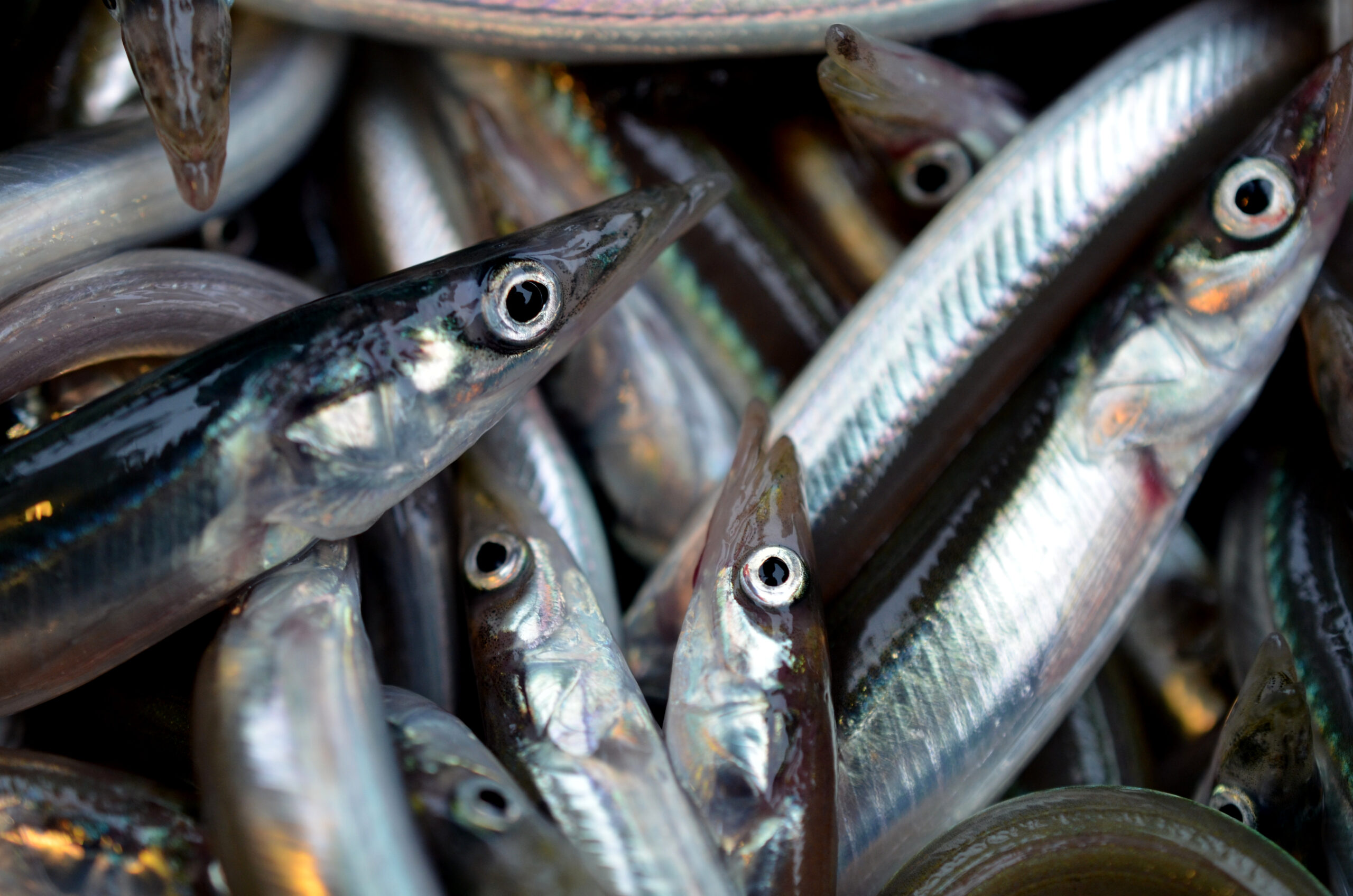
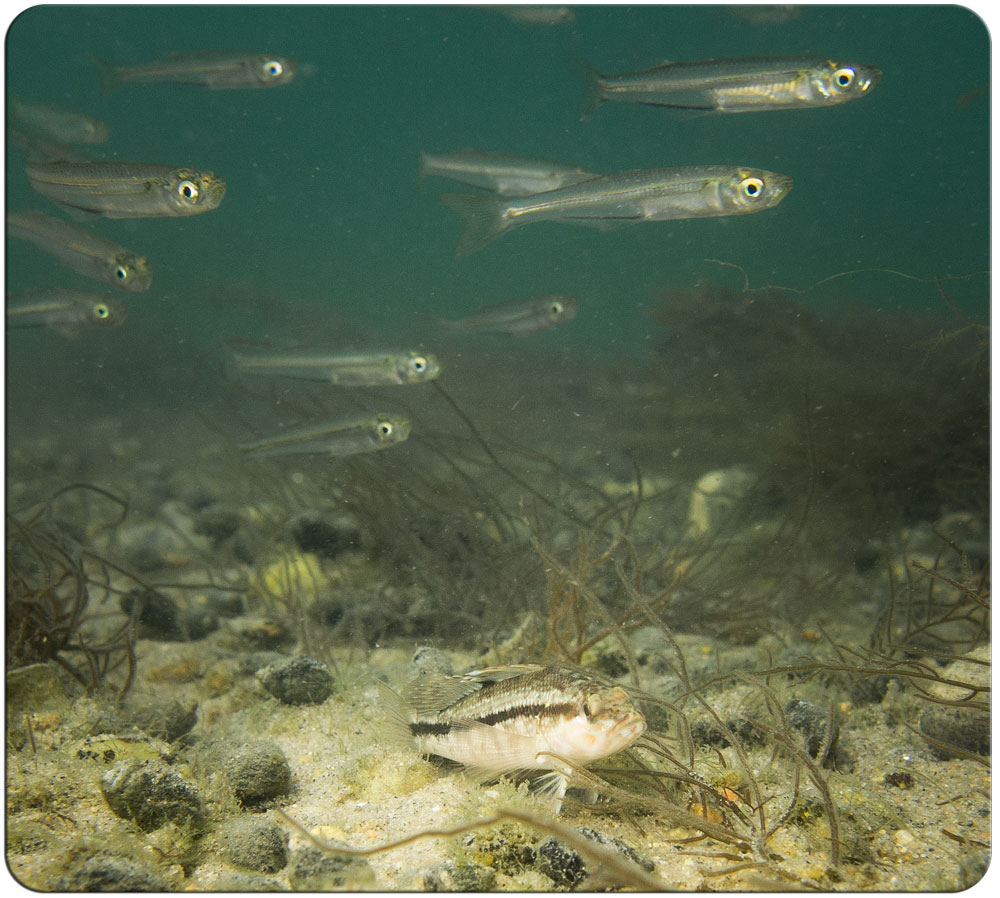
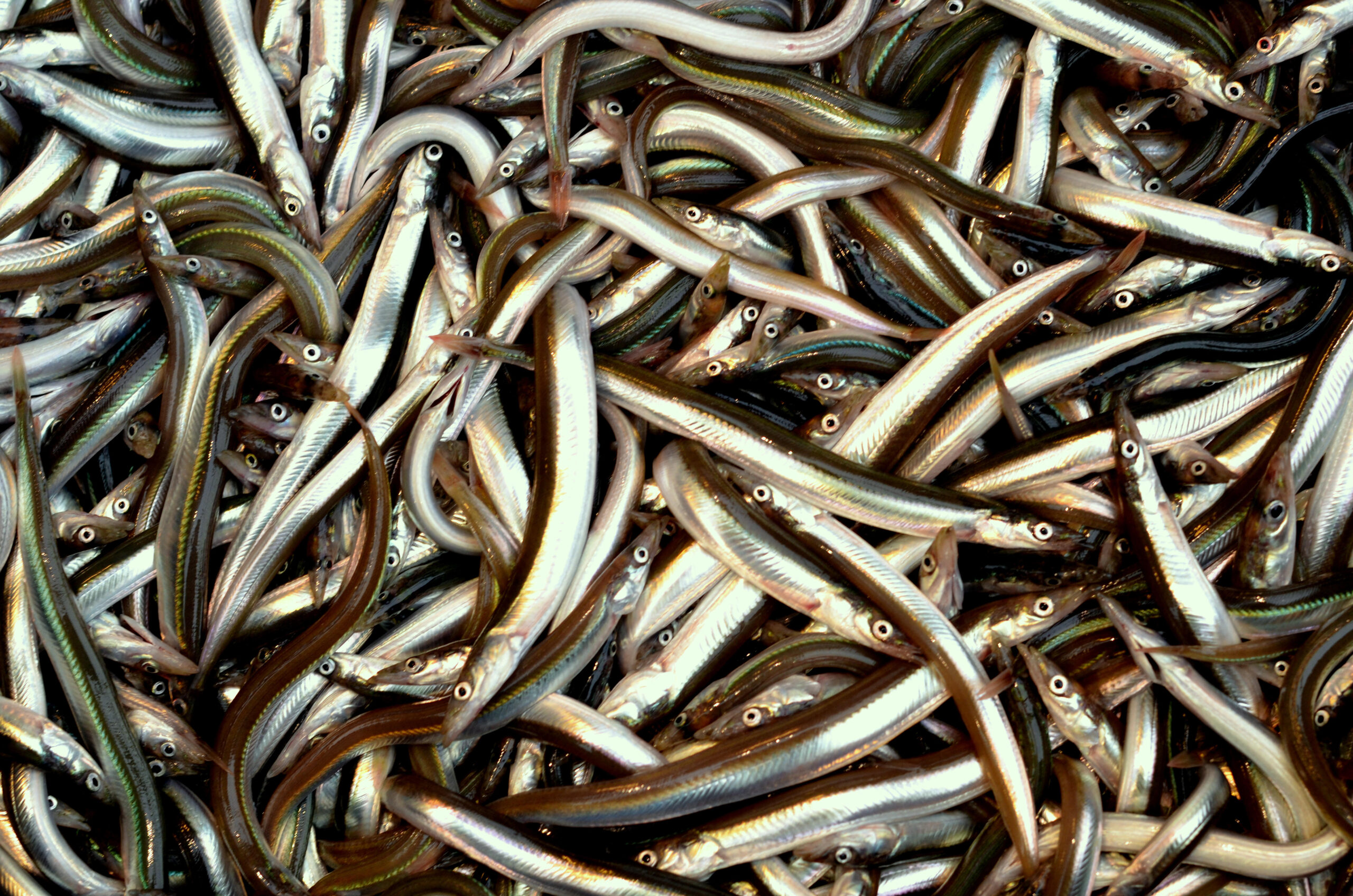
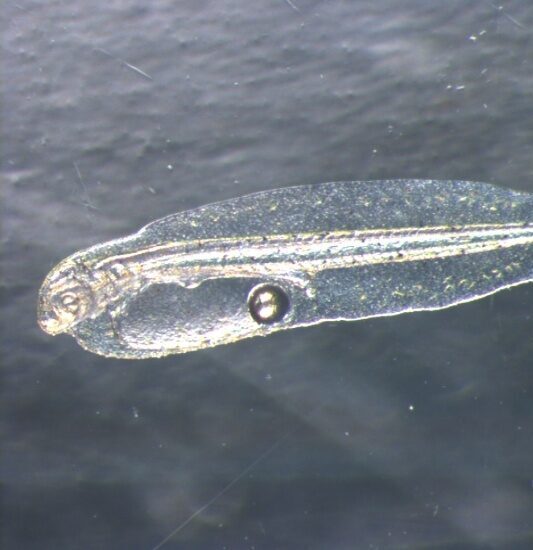
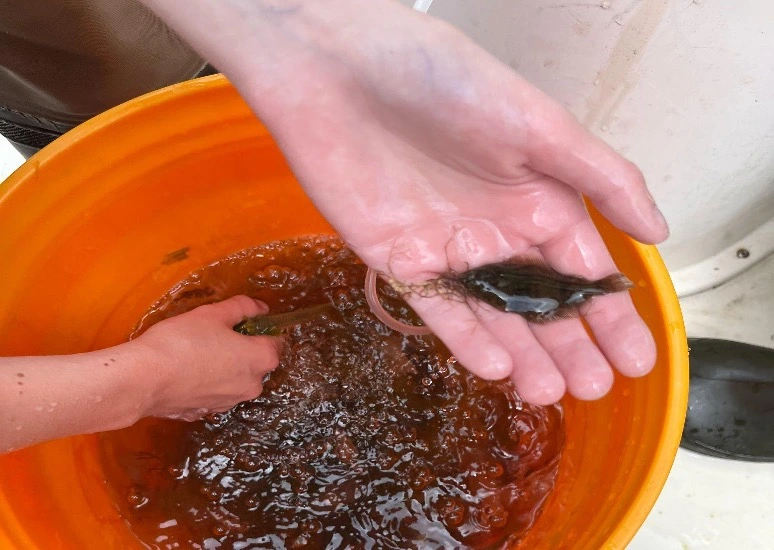
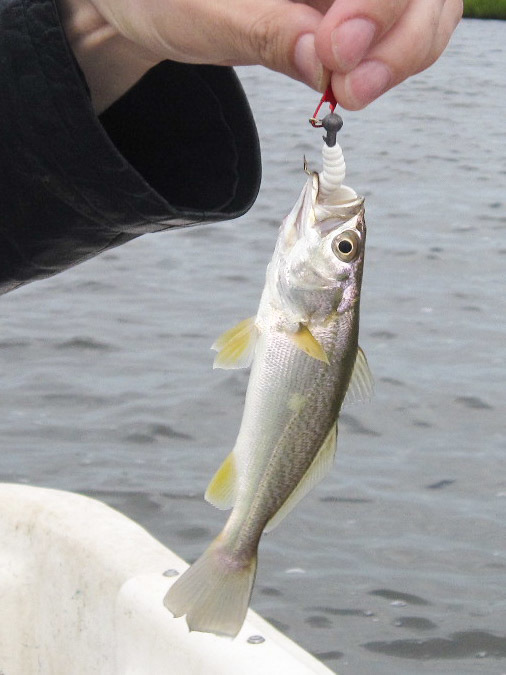
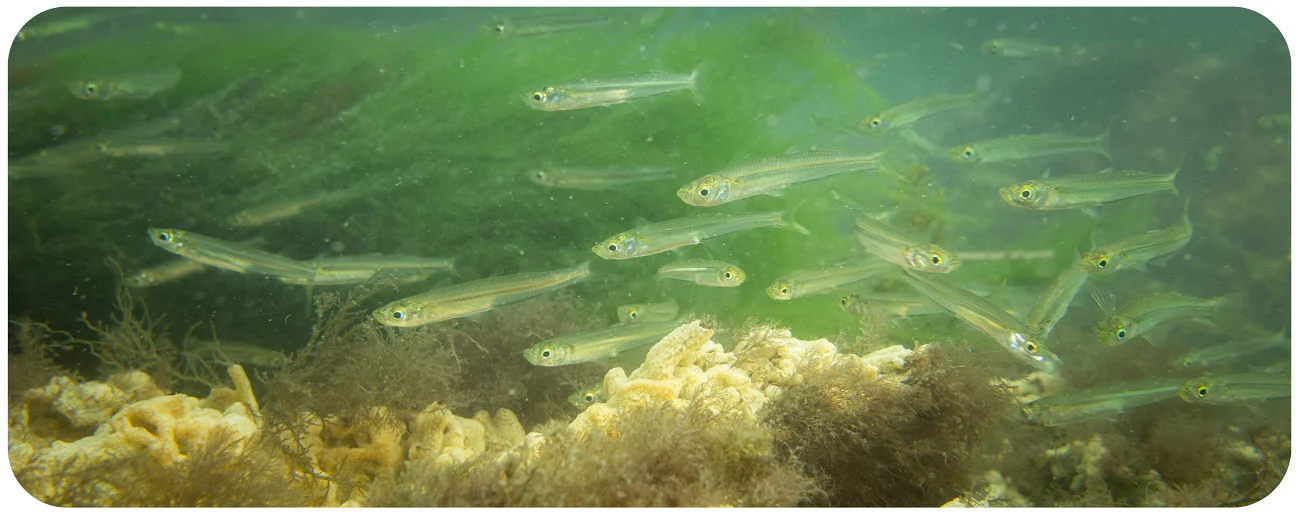
Forage fish, including Atlantic silverside, inland silverside, and sheepshead minnow, are key players in the Mid-Atlantic food web and face significant risks from elevated CO2 and combined stressors like low dissolved oxygen (DO) and high temperatures. These species typically spawn in the subtidal zones of estuaries, exposing adults and offspring to extreme daily variability in CO2, DO, and summer heat.
High acidification CO2 has led to increased embryo mortality, altered hatching timing and sizes, and reduced larval growth rates. Adults may also face direct mortality from elevated CO2 and low DO, as well as increased predation risk under these combined stressors. Research on parent-offspring relationships reveals that offspring from summer-spawning parents, who experience warmer, more acidic, and lower-oxygen conditions, are more resilient to acidification.
Additionally, offspring resilience varies significantly between families, suggesting potential for these species to adapt to future CO2 conditions.