Measuring Acidification

Measuring Acidification

To understand the severity of ocean acidification, scientists monitor changes in ocean chemistry and use models to predict future conditions.

Acidification Monitoring and Modeling

Coordination of Regional Monitoring

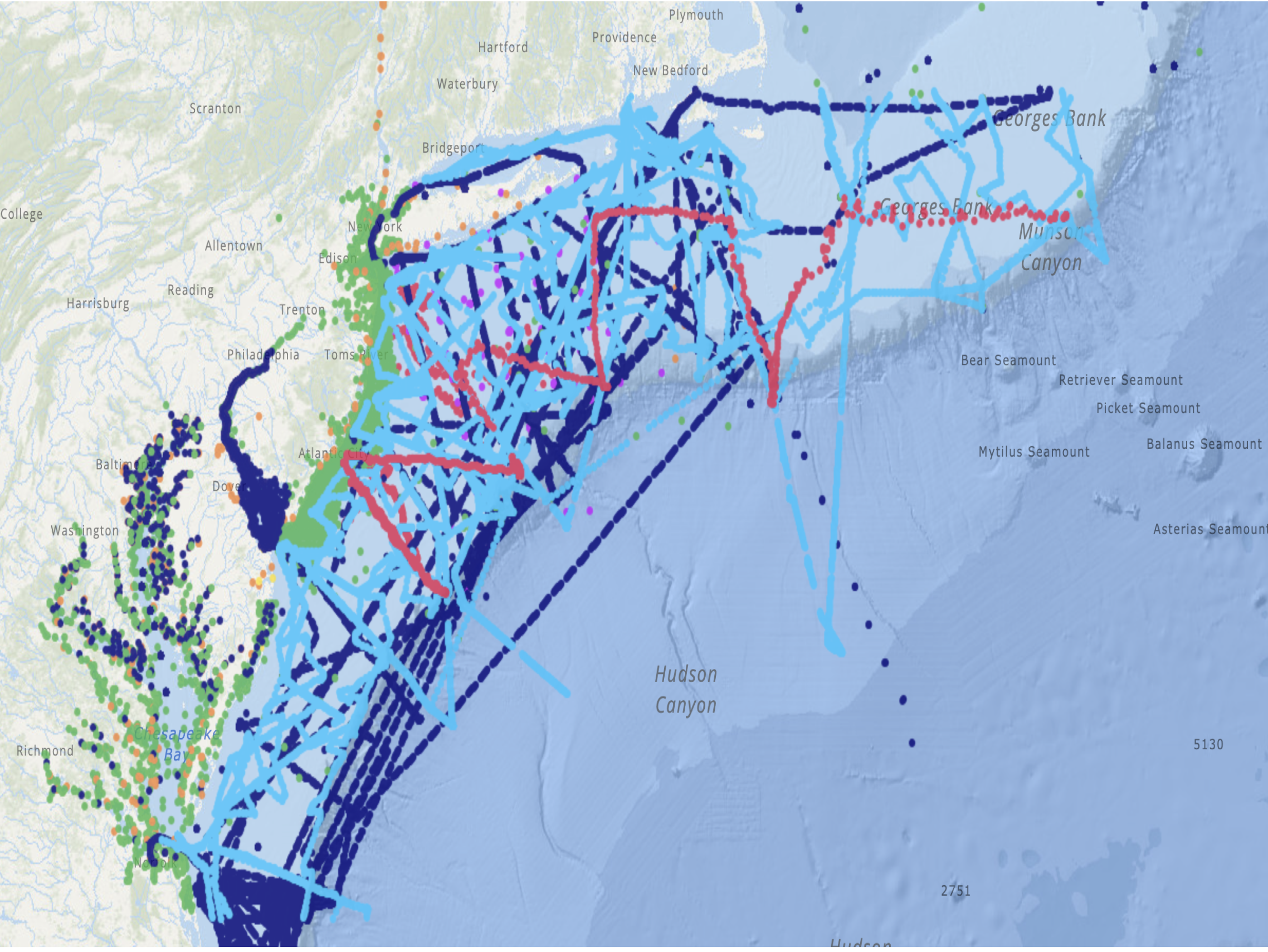
We are helping our partners develop a regional monitoring network to understand trends in acidification, identify hotspots where species may be impacted, and fill gaps where additional monitoring may be needed.

The monitoring network is designed to:
  • Target areas of high acidification impact in both estuarine and ocean shelf systems
  • Take samples using high quality calibrated sensor systems
  • Include measurements of multiple carbonate chemistry parameters (e.g. pH, pCO₂, DIC, and total alkalinity)
  • Consider other water quality measurements for multiple stressors (i.e. dissolved oxygen, temperature, and dissolved nutrients)
  • Incorporate data that can be used to develop models that can predict the impacts of changing water chemistry in the region

The Mid-Atlantic Ocean Data Portal hosts several maps showing locations where carbonate chemistry is currently being monitored. The maps also provide detailed information about monitoring methods, frequency of data collection, and links to access our partners data.

Want More Information About Our Monitoring Network?